
Luxury Furniture Durability Testing Standards Explained
Table of Contents
- What Luxury Furniture Durability Testing Actually Measures
- BS EN Furniture Testing Standards and What They Require
- Furniture Strength and Stability Testing in Practice
- How to Identify High-Quality Furniture Construction
- Why Durability Testing Matters for Luxury Buyers
- Maintenance and Care: Extending the Life of Your Investment
- Frequently Asked Questions
Last Updated: August 30, 2026
What Luxury Furniture Durability Testing Actually Measures
Luxury furniture durability testing measures how well pieces withstand everyday use, structural stress, and material degradation over years of ownership. It evaluates load-bearing capacity, material resilience, joint integrity, and wear patterns that emerge over time, predicting how your furniture will perform in your home, not just in a showroom.
At ItaliaHome, we understand that discerning UK buyers invest significantly in handcrafted Italian pieces. You need confidence that your purchase will age gracefully. Testing simulates real-world conditions: weight distribution, repeated movement, impact forces, and environmental stress. A quality test measures static load (how much weight a chair can support), dynamic cyclic fatigue (how materials respond to repeated stress), and stability under tipping forces.
Durability testing also identifies failure points before they become problems. Manufacturers discover weak joints, material incompatibilities, and design flaws through rigorous evaluation, preventing costly failures and returns. This is why luxury brands invest heavily in comprehensive testing protocols before releasing pieces to market.
BS EN Furniture Testing Standards and What They Require
British and European standards establish the framework for furniture durability testing across the region. BS EN standards set minimum performance requirements that manufacturers must meet, these are regulatory requirements determining whether furniture can be legally sold in the UK market.
For domestic seating, BS EN 1728 defines static and dynamic strength requirements (bsigroup.com). For stability, BS EN 1725 addresses tipping hazards and structural integrity under stress. These standards exist because furniture failures can cause injury; a collapsing chair or unstable cabinet presents real safety risks.
Compliance with BS EN standards establishes a baseline, but luxury manufacturers typically exceed these minimums. They use superior materials, more rigorous testing protocols, and longer evaluation cycles. A handcrafted Italian piece from a reputable maker will meet BS EN requirements and often surpass them significantly.
Static Load Testing and Weight-Bearing Capacity
Static load testing determines the maximum weight a piece can support without permanent deformation or failure. Testing equipment applies load gradually, holding it steady for a defined period, then releasing it. Engineers measure any permanent deformation; if the chair remains bent after load removal, it has failed.
BS EN standards specify exact load requirements based on furniture type and intended use. A domestic dining chair must support significantly more weight than a delicate accent chair. Proper static testing ensures that luxury pieces maintain their form and comfort through years of daily use, particularly critical for Italian handcrafted furniture where structural integrity supports aesthetic design.
Dynamic Cyclic Fatigue Testing for Long-Term Performance
Dynamic cyclic fatigue testing simulates years of use compressed into laboratory time. Testers apply repeated stress cycles, thousands of compressions and extensions, while monitoring for cracks, deformation, material separation, or joint failure.
A typical test applies and releases weight repeatedly, often cycling 20,000 times or more (peer-reviewed research). If a piece passes 50,000 cycles without significant degradation, it's likely to perform well for 10-15 years of typical household use. Luxury furniture manufacturers use this testing to validate long-term durability claims. Superior joinery, premium materials, and traditional construction methods typically outperform mass-produced alternatives in fatigue testing.
Stability and Tipping Stress Tests
Stability testing evaluates whether furniture will tip or collapse under angled loading or accidental stress, particularly important for tall pieces like wardrobes and bookcases. A tipping test applies force to the top of the furniture, gradually increasing the angle until the piece either tips or the test concludes.
BS EN standards define specific tipping angles and force requirements. Testing ensures that furniture remains stable under foreseeable misuse and validates that traditional joinery methods (mortise-and-tenon joints, dovetail connections) provide superior stability compared to modern fastening systems.
Furniture Strength and Stability Testing in Practice
Laboratory testing for furniture strength combines multiple evaluation methods to create a comprehensive durability profile. Engineers use a battery of assessments to evaluate different failure modes and stress scenarios.
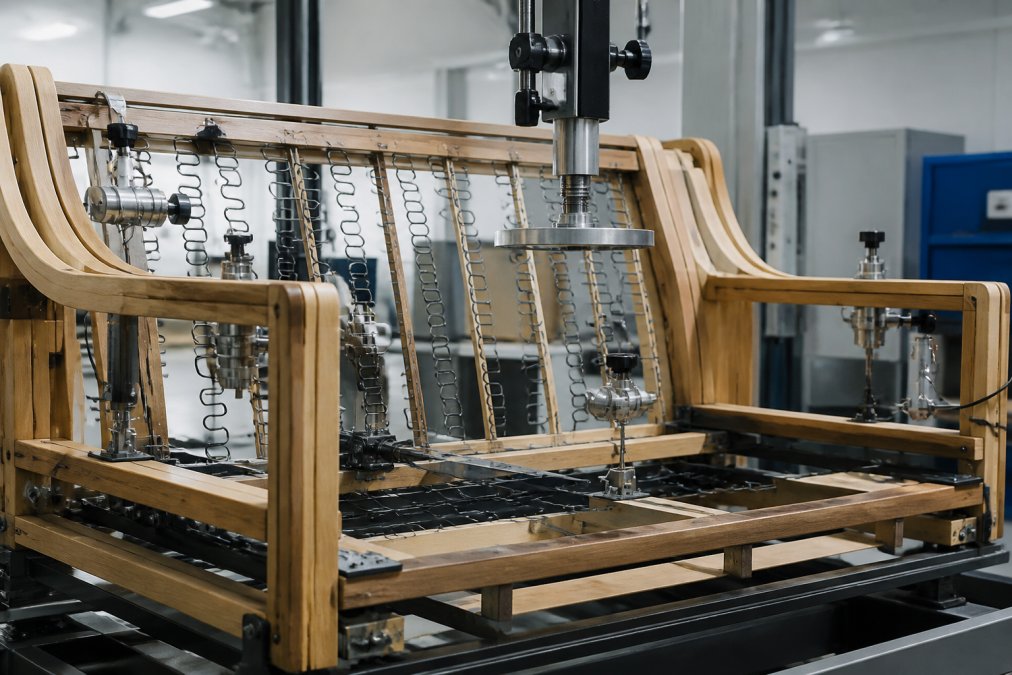
Testing begins with visual inspection and material analysis. Engineers examine wood grain, joint construction, upholstery attachment methods, and finish quality. They measure wood moisture content, evaluate adhesive properties, and assess material compatibility. Mechanical testing then applies standardized loads and stresses. A chair might undergo seat cushion compression testing, backrest load testing, and armrest strength evaluation. Testers measure deflection, permanent set, and ultimate failure point.
The testing environment matters. Temperature and humidity variations affect material behaviour, so tests often occur in controlled conditions. Some tests repeat in different environmental conditions to evaluate how furniture responds to seasonal changes, critical for luxury pieces experiencing central heating in winter and open windows in summer.
Impact Force and Drop Testing for Seating
Impact testing evaluates how furniture handles sudden forces, a person dropping into a chair or a child jumping on a sofa. Drop testing applies a weight from a defined height, measuring the force generated on impact and how the structure absorbs that energy.
For seating, impact testing typically uses a standardized drop weight applied to the seat and backrest. Engineers observe whether joints separate, whether cushioning materials compress excessively, or whether the frame exhibits cracks or permanent deformation. Handcrafted pieces with superior joinery and quality materials typically absorb impact forces more effectively than inferior alternatives.
Shear Points and Squeeze Point Evaluation
Shear points are locations where different materials meet or where structural components connect, where the armrest connects to the frame, where the backrest joins the seat, and where legs attach. These connection points experience complex stress patterns that can cause separation or failure.
Squeeze point testing evaluates whether gaps meet safety requirements and whether any moving parts could pinch skin. Engineers use specialized equipment to measure shear stress and evaluate whether connections remain secure under load. Traditional Italian craftsmanship excels here; experienced makers understand how to design joints that distribute stress and resist shear forces.
How to Identify High-Quality Furniture Construction
Identifying high-quality furniture construction requires understanding what durability testing reveals about materials and methods. You can't perform laboratory testing in a showroom, but you can recognize construction features that correlate with superior durability performance.
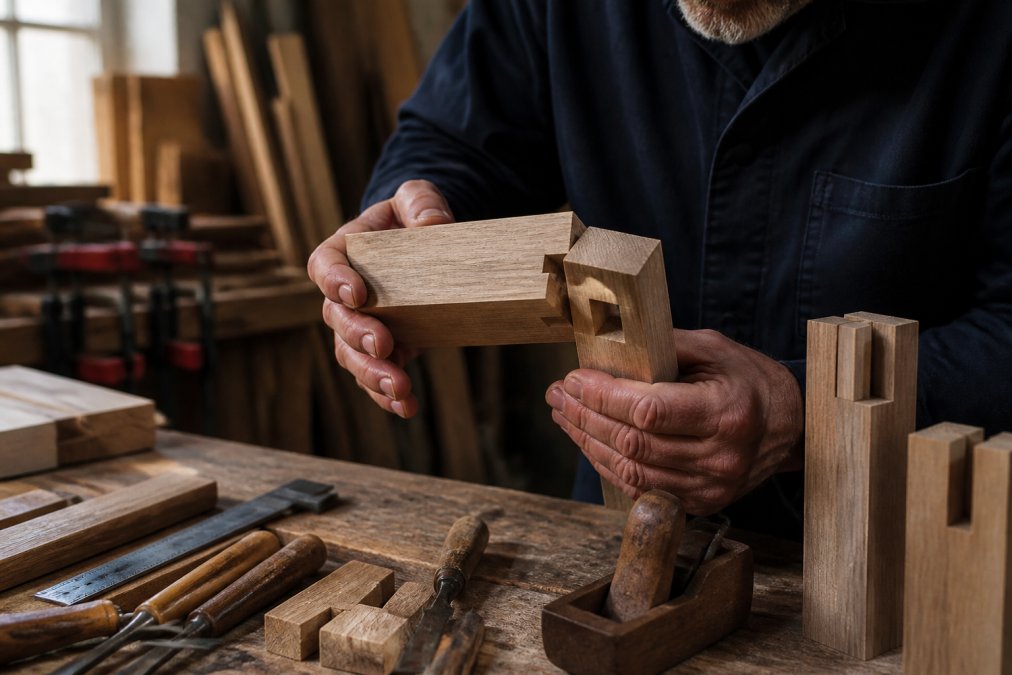
Start by examining joinery. Mortise-and-tenon joints, where a projecting piece fits into a corresponding cavity, represent superior construction. These joints distribute stress across a larger area than simple butt joints or fastener-based connections. You can often see them in chair or sofa frames, indicating the maker invested in traditional methods that durability testing consistently validates.
Wood selection matters significantly. Quality furniture uses properly seasoned wood with appropriate grain characteristics. Visible wood grain should be consistent and attractive, not a veneer covering inferior material. Run your hand along wood surfaces; quality pieces have smooth finishes without splinters. The wood should feel substantial and dense.
Upholstery attachment reveals construction quality. In a sofa, upholstery should be firmly secured with multiple attachment points. Look underneath cushions and along seams. Quality construction uses multiple rows of stitching, not single-line attachment. Seams should be straight and even.
Hardware and fasteners indicate durability. Quality furniture uses appropriate fasteners for the material and stress points. Brass or stainless steel hardware resists corrosion better than plated alternatives. The number and placement of fasteners indicates whether the designer understood stress distribution.
Material compatibility is crucial. Different materials expand and contract at different rates with temperature and humidity changes. Quality construction accounts for these differences through design choices that allow for movement. Poor construction forces incompatible materials together, leading to separation, cracking, or warping over time.
Why Durability Testing Matters for Luxury Buyers
Durability testing translates into real value for luxury furniture buyers. When you invest in handcrafted Italian pieces, you're making a long-term commitment. Testing data provides objective evidence that your investment will deliver years of reliable performance.
A luxury sofa represents a significant purchase. If that sofa degrades visibly within three years, your cost-per-year of ownership becomes expensive. Durability testing identifies pieces that will maintain their appearance, comfort, and function for a decade or more, making the initial investment economically sensible.
For ItaliaHome clients, understanding durability testing helps you make informed decisions about bespoke projects. When commissioning a custom kitchen or selecting pieces for a complete room redesign, you can ask about testing protocols and performance standards. Reputable makers proudly reference their testing results because the data supports their quality claims.
Durability testing also addresses sustainability concerns. A piece that lasts 15 years has lower environmental impact than a cheaper alternative requiring replacement after three years. By choosing furniture validated through rigorous durability testing, you're making an environmentally responsible choice.
Maintenance and Care: Extending the Life of Your Investment
Durability testing evaluates furniture under standard conditions, but your specific care practices significantly influence real-world performance. Understanding how to maintain luxury pieces extends their lifespan and preserves their aesthetic appeal.
Wood furniture requires attention to moisture levels. Seasonal changes cause wood to expand and contract. Maintaining consistent humidity (ideally 40-55%) prevents excessive movement that stresses joints and finishes. Central heating in winter often dries indoor air excessively, making humidifiers valuable investments. In summer, reducing indoor humidity prevents swelling and mold growth.
Upholstered furniture benefits from regular vacuuming and prompt attention to spills. Blot rather than rub; rubbing forces liquids deeper into fibres. Professional cleaning every 1-2 years maintains appearance and extends fabric life.
Leather furniture demands specialized care. Quality leather develops character with age but requires conditioning to maintain suppleness. Regular cleaning with appropriate leather cleaners removes dust. Conditioning treatments replenish natural oils that keep leather flexible and resistant to cracking. Avoid direct sunlight, which fades leather and accelerates deterioration.
Hardware and metal components benefit from occasional maintenance. Brass and copper naturally patina, often desirable as part of the piece's character. Stainless steel resists corrosion but benefits from occasional cleaning to prevent water spotting.
Structural maintenance occasionally involves tightening fasteners. Wood movement and vibration can loosen bolts and screws over years. Periodically checking and tightening these fasteners prevents joint separation.
Proper furniture placement protects pieces from preventable damage. Avoid placing furniture directly against radiators or heating vents, which dry wood excessively. Keep pieces away from direct sunlight. Ensure adequate ventilation to prevent moisture accumulation.
Professional restoration and repair services can address damage before it becomes structural. A loose joint repaired promptly prevents cascading failure. These services, while investments, are often more economical than replacing damaged pieces.
Understanding furniture durability testing standards helps you make confident decisions about luxury pieces that will genuinely last. When you're investing in handcrafted Italian furniture for your home, knowing that pieces have undergone rigorous BS EN testing and exceed minimum safety requirements provides genuine peace of mind. At ItaliaHome, we prioritise pieces from makers who embrace comprehensive durability testing, ensuring that every sofa, chair, kitchen, and bespoke project you commission combines traditional craftsmanship with validated long-term performance. Learn more about British furniture safety standards to understand the regulatory framework that protects your investment. When you're ready to explore luxury furniture that meets rigorous durability standards, we'd be pleased to discuss your specific requirements and help you select pieces built to last. ENQUIRE with ItaliaHome today.
Frequently Asked Questions
How can you tell if furniture is high quality through durability testing certifications?
Look for independent laboratory testing results and compliance with BS EN standards. High-quality furniture will have documented static load test results showing weight capacity, cyclic fatigue testing data proving long-term durability, and stability certifications. Reputable manufacturers provide these certifications transparently. Handcrafted pieces from established Italian makers often exceed minimum standards, using superior materials and construction methods that perform better in mechanical testing than budget alternatives.
What are the primary British Standards for furniture durability?
BS EN standards govern furniture testing across the UK and Europe. Key standards include BS EN 1728 for seating structural integrity, BS EN 1730 for table stability and load-bearing capacity, and BS EN 12520 for mechanical testing of wooden furniture joints. These standards define static load testing procedures, cyclic fatigue protocols, and safety requirements. Compliance ensures furniture meets minimum performance thresholds for residential use, though luxury pieces often exceed these baseline requirements through additional testing and superior material selection.
What specific mechanical tests are performed on luxury seating?
Luxury seating undergoes rigorous mechanical testing including static load tests that apply sustained weight to measure deformation and structural integrity, cyclic fatigue testing that simulates thousands of sit-down cycles to assess durability, impact force testing to evaluate how frames handle dynamic stress, and squeeze point testing to ensure safety at joints and hinges. Drop testing may also be performed to assess damage resistance. These tests verify that premium construction methods, such as eight-way hand-tied springs, mortise-and-tenon joints, and hardwood frames, deliver genuine long-term performance, not just aesthetic appeal.
Why is independent laboratory testing important for high-end furniture?
Independent laboratory testing removes bias and provides objective proof of durability claims. Third-party certification bodies test according to strict BS EN protocols, documenting structural integrity, load-bearing capacity, and fatigue resistance with measurable data. This protects your investment by confirming that luxury pieces will perform as promised over years of use. Handcrafted Italian furniture from established makers typically undergoes this rigorous testing, ensuring that traditional craftsmanship meets modern performance standards and justifies the premium price point.
This article was written using GrandRanker